

Can Recovering Alcoholics Ever Drink Again? Abstinence vs Moderation in Long Term Recovery
Content
Content is fact checked after it has been edited and before publication. Long-term sobriety is a relative term—it means different things to different people. But many people consider long-term sobriety to be sobriety that has lasted at least one year. Once you do return to work, it’s important to create a budget and take steps to safeguard yourself as work stress can be a relapse trigger.
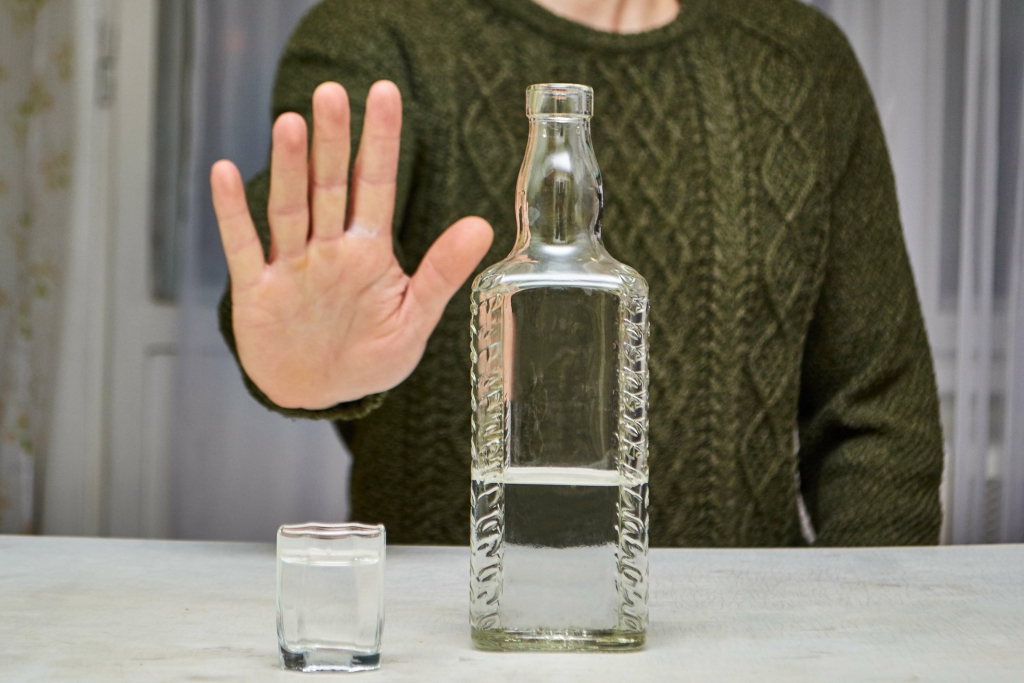
People will often go through treatment and have a period of sobriety. But what happens if, after being sober, someone starts drinking again?
Avoid Old Routines and Habits
It’s one of the few drugs where detox can be fatal if not done correctly. If you choose to do an at-home detox, you should make sure that you are doing it the right way. I’ve heard a lot of people say that they are never drinking again. It’s one thing to be confident in yourself, but it’s very hard for any addict to say this definitively and make it actually happen.

Detoxalone at home is never recommended for those diagnosed with alcohol or substance use disorders. Now, you have experience with detox and treatment. You might remember some things that were https://ecosoberhouse.com/ helpful the first time. Or, you might have ideas about what could have made the process easier. Remember that addiction is often the result of coping with an underlying mental health issue.
Tips for finding the best addiction treatment
What did you enjoy doing before drinking came around and took over your social life? If you must dig WAY back into childhood for this answer, then do that. That being said, drinking FOMO is real and must be dealt with. Sometimes admitting the truth to yourself is the first step.
- Off to college I went, at a major university in Washington, DC, with plans to study chemistry with a minor in psychology in a pre-med curriculum.
- Addiction affects your whole life, including your relationships, career, health, and psychological well-being.
- This type of care keeps you safe and comfortable, while significantly reducing your risk of relapse.
- “I don’t have to have drinks every night of the week, I’m going to have one sober day where I’m not going to drink any alcohol,” and try implementing that.
- Relapse isn’t just the event of going back to alcohol.
- If I watched a movie with the family, it was unlikely I would remember any details of the movie the following morning.
Satisfying hobbies can distract you from wanting to drink, but they also help you relax — something everyone needs to do. Try hiking, cycling, dancing, or roller-skating for enjoyable ways to stay active. Comfort yourself when feeling lonely by reaching out to a loved one or watching a favorite movie. If you usually meet friends for a drink after work, consider going for a walk or meeting them for a hangout in the park or another alcohol-free space. When you tend to drink at a certain time of day, doing something else is one of the best ways to distract you from old habits to help break that pattern. Activities that get you out of the house and moving often help most.
How to Tell If An Alcoholic is Drinking Again
Not only am I thankful for the ideas, but also to know I am not alone in this feeling. Wishing you strength and luck in the days and weeks ahead. I truly don’t see the harm in doing it recreationally the same way other people take actual vacations. It’s these infrequent breaks that allow me to successfully navigate and manage how to avoid drinking again after sobriety my life and all of the joys and responsibilities. • I’ve made a conscious effort to not “screw over Tomorrow Gil”. What I mean by that is, if “Today Gil” doesn’t drink, then “Tomorrow Gil” won’t have a hangover, get a DUI, be fat, etc. In the meantime, the Soberish community is here to support you and help you get there.
What to drink as a recovering alcoholic?
- Tea (hot or cold)
- Fruit and herb-infused water.
- Sparkling water.
- Coffee (hot or iced)
- Club soda with flavored syrup.
- Spiced apple cider.
- Juice.
- Soda water and herbs.
For people in recovery, it is impossible to reintroduce alcohol into their new lifestyle, as they could only achieve stability once they stopped drinking. Drinking in moderation is a common strategy used by many who are trying to deal with their drinking problem on their own. This is often done by trying to stay sober or cutting back on the amount they drink. Unfortunately, the majority of people who try to drink in moderation to curb their alcohol abuse fail. One study estimates that nearly 80% of people who attempt to stop drinking without treatment will relapse within one to three years. Recovering from alcohol addiction or heavy drinking is not a quick and easy process. In general, the longer and more intense the alcohol use, the longer and more intense the treatment you’ll need.
Explore a future without alcohol.
Since that time, alcohol use has remained relatively stable in many segments of society. There’s been some increases among young adult drinking that occurred in the ’70s and ’80s, and more recently we’re seeing increases and drinking among older adults and women as I mentioned. We know that eating fried food is not great for us, but it’s legal and it’s generally socially acceptable and then it’s not super healthy to eat fried food.
How can I get over life without drinking?
- Find New Hang Outs. That doesn't necessarily mean an establishment that doesn't serve alcohol, but someplace where you can redefine fun for yourself.
- Fill Your New Fun Hangouts With Supportive Friends.
- Redefine Fun For Yourself.
- Mock It Up.
- Find Healthy Ways to Destress.



No Comments